Devoted to solving problems that satisfy consumer needs, Sussex IM has helped companies mold their future since 1977. As a proven custom injection molding company, we believe that our experience, state-of-the-art equipment, and dedicated teams here are just a few of the things that set us apart in the market and, specifically, help us create those seamless and efficient mold transfers that OEMs are looking for.
It’s a large undertaking when an OEM decides to pull tooling from a processor; a processor meaning their own in-house operation or an outsourced molder. Hearing the news that a program is being transferred from your facility is never a good feeling. The program could have meant growth for the future, millions of dollars in sales, and a plethora of other opportunities. So, the question is why? Why do manufacturers choose to transfer programs?
Reasons to Initiate a Tool Transfer
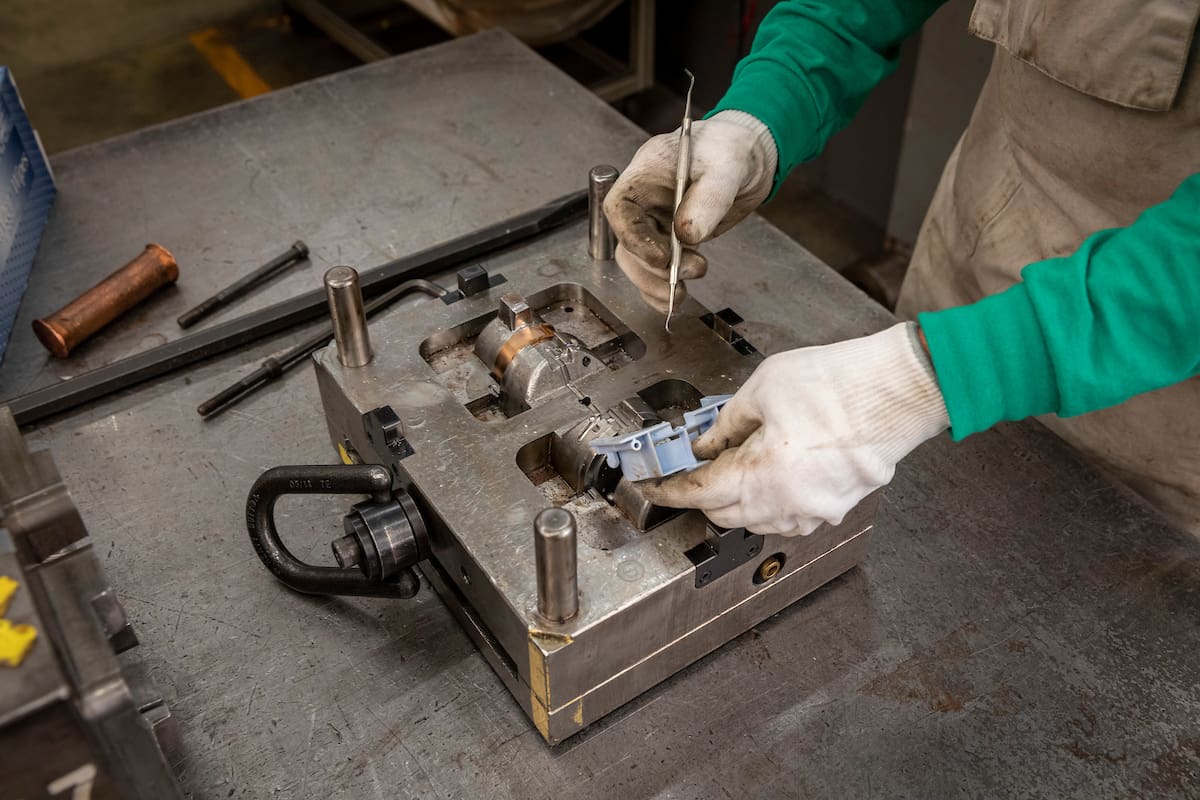 There are many reasons why tools are moved from one molder to another. If there are capacity issues with the in-house facility, tools may be moved to ensure the product can be manufactured when necessary. Due to logistics and transportation costs, transfers may occur to find a more local source. Pricing and discounts are among the most common reasons, along with quality and reliability. If OEMs cannot receive parts on time—and when they are on time, the parts are of poor quality—it raises red flags. There are many considerations that go into moving a mold that must be decided prior to the transfer to establish the correct molder for the new program.
For the OEM, How to Evaluate a Potential Molding Partner
Some of the considerations that OEMs must factor into their decision-making when choosing a new injection molder include the following:
- Facility Standards and ISO Certifications
- Location
- Capacity
- Experience
- Value Add Capabilities
For the Molder: How to Evaluate a Transfer Program Opportunity
On the contrary, prior to the potential molder accepting a new transfer program, there are several considerations that they must make:
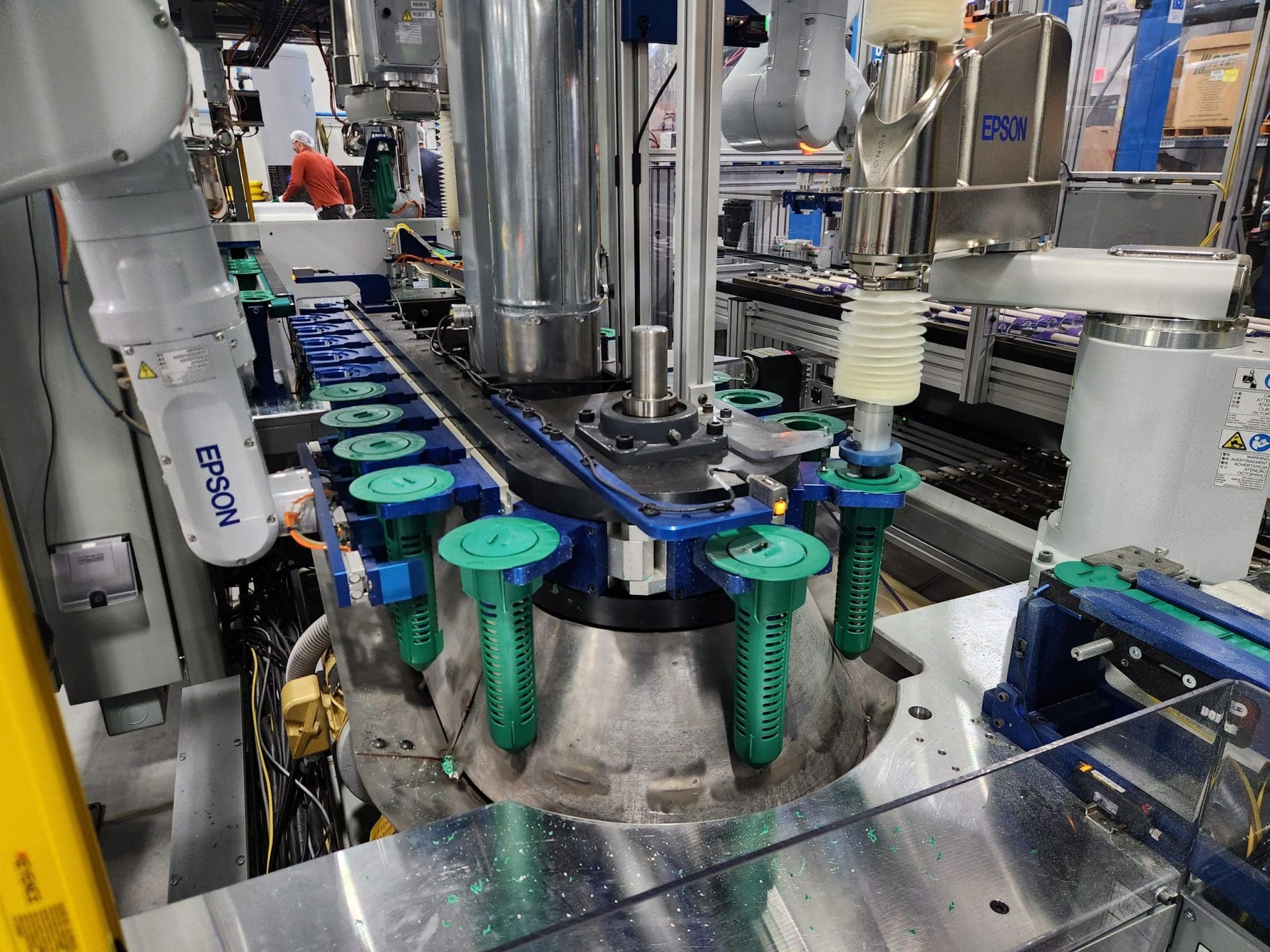
- Cavitation- Will the mold fit into their machines?
- Press Tonnage Required- Do they have the press size and capacity to produce parts?
- Current Cycle Time – Can they meet the established cycle time and produce high-quality parts?
- US or China Tooling – What kind of shape is the tool in? How many shots are already on the tool?
- Peripheral equipment required – Are there any additional fixtures, secondary automation, or annealing that need to occur post-molding?
- Molding Specifications – Do they have the required raw materials available?
- Quality specifications and in-process inspection requirements – Did the OEM provide the quality specs and inspection requirements necessary?
- PPAP/Qualification Requirements – Has the PPAP been completed? Have the parts been qualified and approved based on molding parameters?
Transfer Tool Program Advantages
For the newly procured injection molder, there are both advantages and disadvantages to takeover programs. In comparison to full development programs, takeover projects have a faster start-up and speed-to-molding time, which opens the door to additional opportunities with the new OEM, and the molder has the ability to prove themselves as a solid partner by improving the cycle time and molding processes.
Transfer Tool Program Disadvantages
However, there are some concerns when taking over a new tool that are occasionally not communicated prior to the transfer. The condition of the tool is unknown until it physically arrives on the floor; the tool could be rusted, broken, and in need of many repairs. The molder may not have been supplied with all the molding parameters and documentation required. And lastly, the OEM needs parts ASAP.
There are many questions that need to be answered for both the OEM and the new molder prior to a tool being moved. Having dedicated tooling, engineering, and account management teams available for each specific transfer project is crucial to a seamless transition.
Sussex Transfer Tool Experience
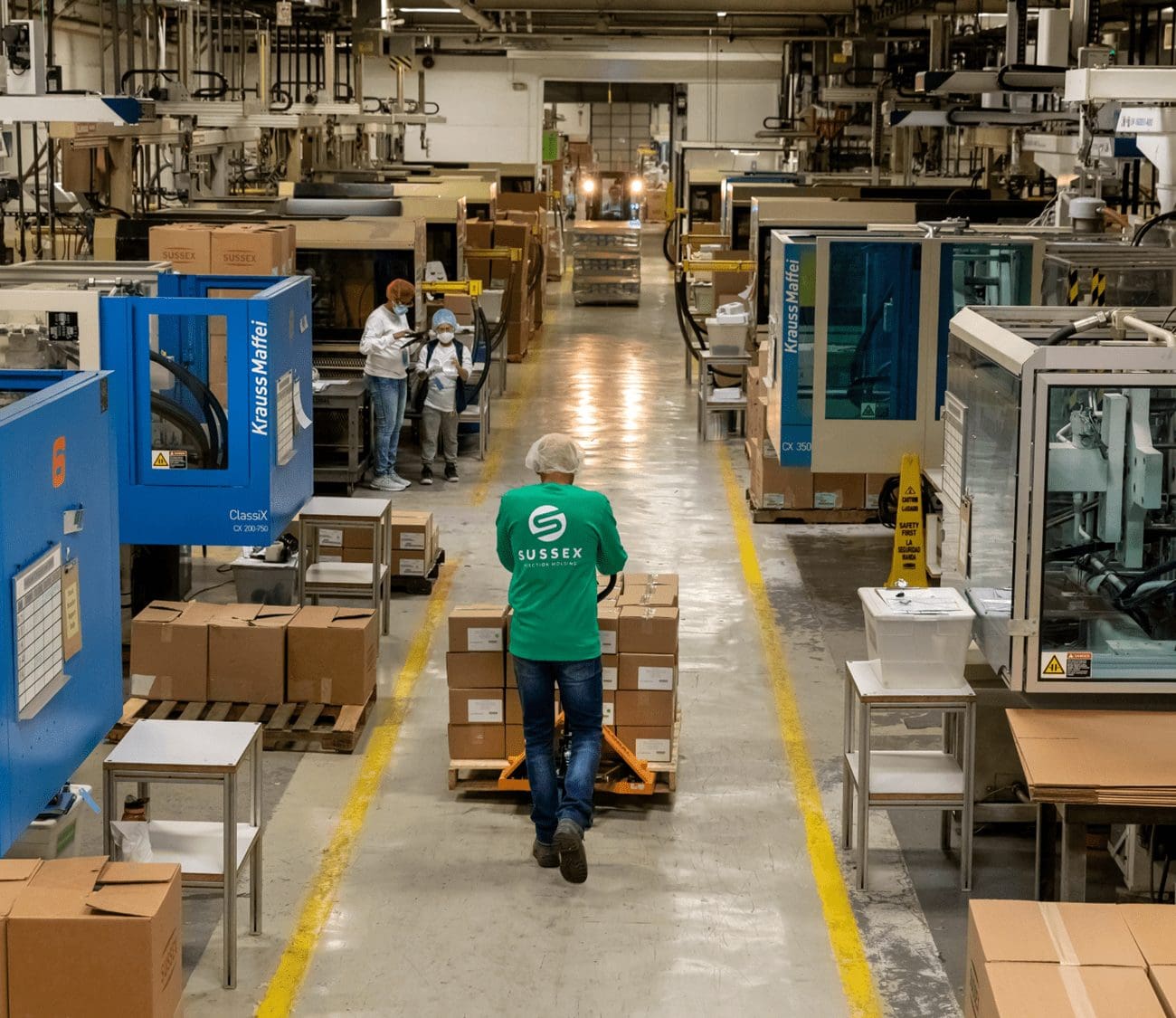 Over the past several years, Sussex IM, Inc. has taken over several large transfer tooling programs, which have evolved into strong partnerships. In 2007, Sussex IM, Inc. accepted over 100 molds in a transfer program for an OEM in the residential durables market. After receiving eight molds and IML equipment from China for the top hand-sanitizer brand in the world, Sussex IM, Inc. was production-ready in less than 30 days. More recently, in late 2020, SIM was production-ready within three weeks of arrival after receiving three molds for a fastening/closure company. Throughout each of these transfers, our team engages in several meetings to ensure the transition runs smoothly, consisting of:
- T-30
- T-10
- Mold Sampling
- First Article Inspections
- Product Part Approval Process
Sussex IM, Inc. has dedicated and experienced teams to assist OEMs with tooling transfers. Depending on the complexity of the project, with all raw materials in-house and efficient approval/qualification, Sussex IM can typically be up and running within weeks from receipt of the tool and purchase order.
Looking to switch injection molders and have a mid-to-high-volume project that we can assist you with? Contact Sussex IM, and we can provide you with our seamless solution.