
What is Unique Serialization?
Unique Serialization is a method used to identify individual parts or components from one another physically. This technique is crucial in various manufacturing processes, including plastic injection molding, ensuring each part can be distinctly recognized and traced.
Unique Serialization in Plastic Injection Molding
In the context of plastic injection molding, unique serialization involves assigning a distinct identifier or code to each molded part or product. This identifier is typically marked or engraved onto the part during or after the molding process.
Importance of Unique Serialization in Plastic Injection Molding
- Traceability: Each part can be traced back to its production batch, material source, and other relevant manufacturing parameters. This traceability is vital for quality control, defect tracking, and regulatory compliance.
- Quality Assurance: Unique serialization helps manufacturers confirm the manufacturing date and conditions, aiding in the quarantine of suspect parts.
- Anti-counterfeiting: Serialization serves as a tool to authenticate genuine products and combat counterfeiting, particularly in industries where product authenticity is critical, such as automotive, aerospace, and medical devices.
- Warranty and After-sales Service: Serialized parts enable manufacturers to track warranty claims, service history, and maintenance records for individual products, enhancing customer support and after-sales service.
Methods of Implementing Unique Serialization in Plastic Parts
Several methods can be used to implement unique serialization in plastic parts during the injection molding process:
- Adhesive Labeling: While common, adhesive labels can be easily removed from parts, compromising serialization integrity.
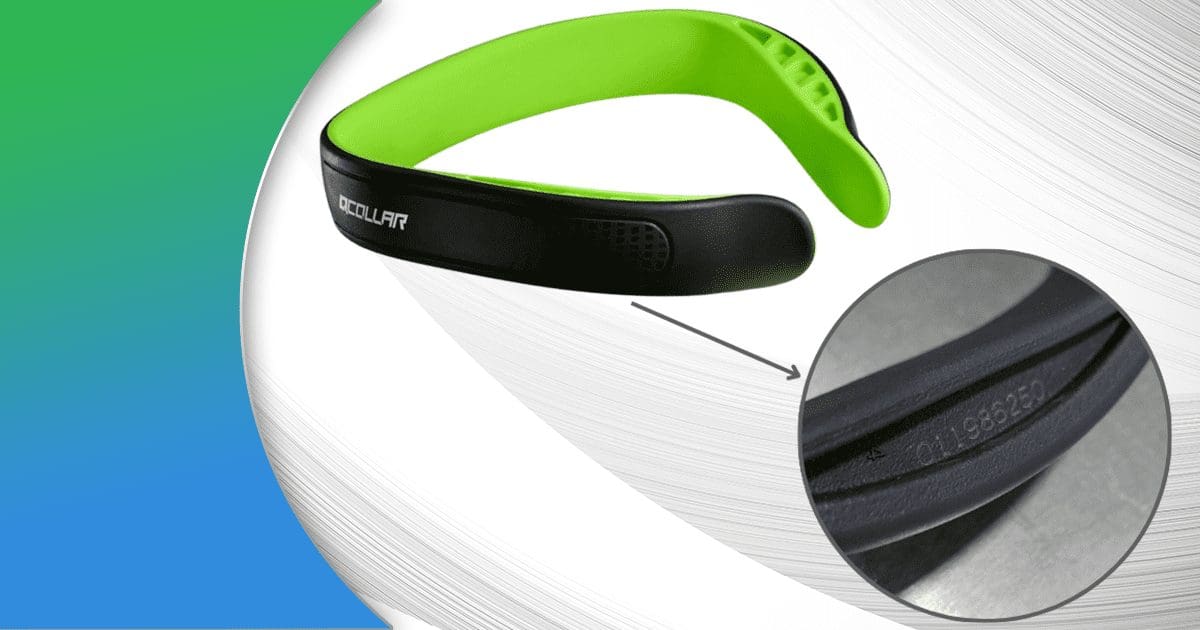
- Laser Marking or Engraving: This involves using a laser beam to create permanent marks on the plastic part’s surface.
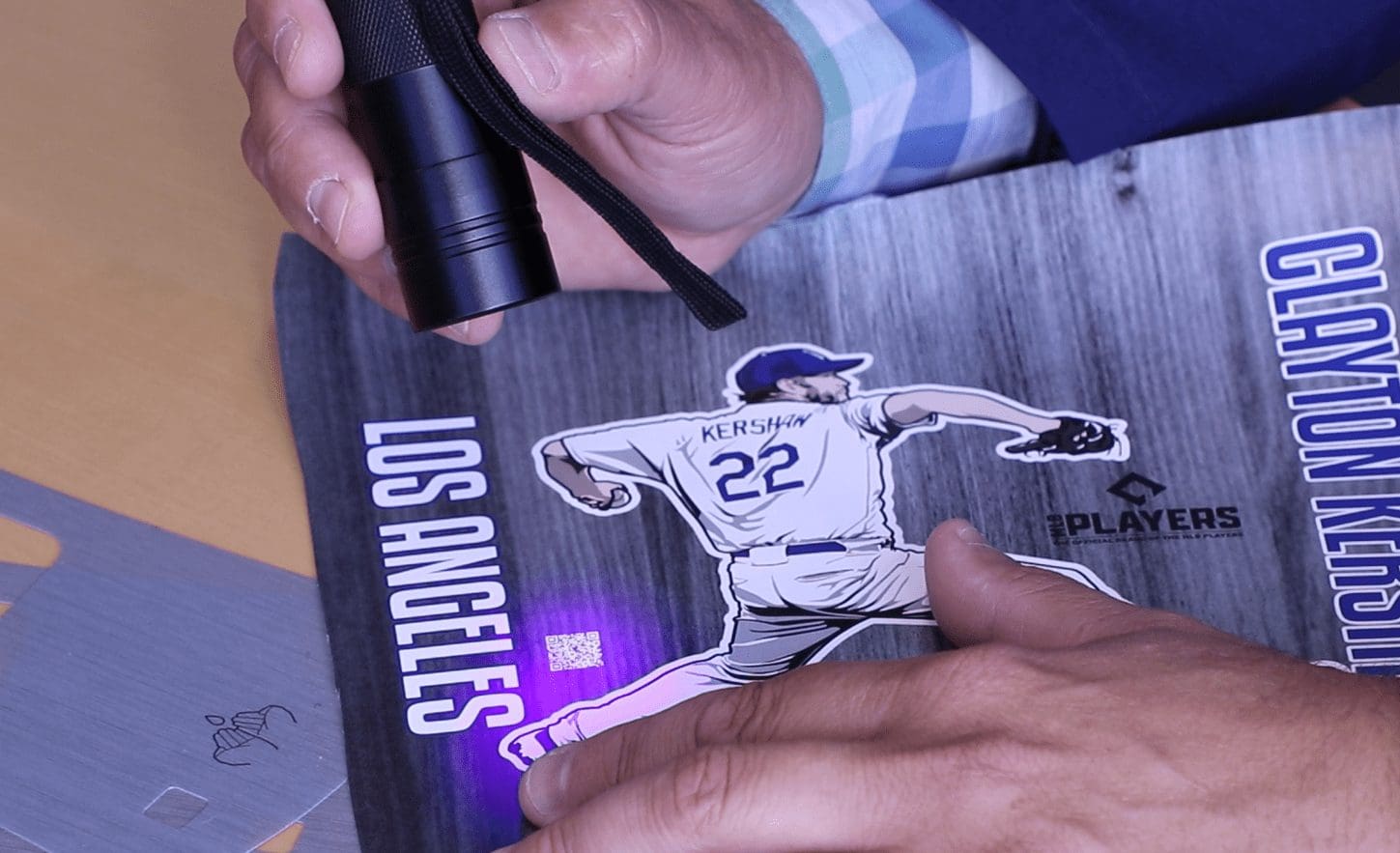
- In-Mold Labeling (IML): Labels containing serialized information are placed into the mold cavity before plastic injection. These labels fuse with the plastic, creating a permanent and integrated marking.
-

QR Code digitally printed into an In-Mold Label Hot Stamping: This method transfers serialized information onto the plastic part using heat and pressure, often for logos, serial numbers, or decorative elements.
- Inkjet Printing: Specialized inkjet printers directly print serialized information onto the plastic part’s surface, though this method may require additional surface treatment for adhesion and durability.
- RFID Tags: Embedded or attached RFID tags provide unique identification and tracking capabilities, with electronically stored information read wirelessly.
Materials and Surfaces Suitable for Laser Engraving Serial Numbers
Many plastics, such as acrylic, ABS, polycarbonate, polyethylene, and polypropylene, are excellent candidates for laser engraving, producing high-contrast, readable marks. Higher melt materials like PEEK and Nylon require tuning the laser to create distinguishable images.
- PEEK: A high-performance thermoplastic known for excellent properties, requiring higher laser power and slower engraving speeds.
- Nylon: A versatile thermoplastic with high strength and flexibility. Laser engraving may cause melting or discoloration, so settings must minimize heat-affected zones.
Integrating Unique Serialization into the Production Line
Integrating unique serialization into a plastic injection molding production line involves several steps:
- Assessment and Planning: Evaluate serialization requirements, determine suitable methods, and plan integration.
- Selection of Serialization Method: Choose based on material properties, marking durability, and production environment.
- Equipment Acquisition and Installation: Acquire and install necessary equipment, ensuring compatibility with existing machinery.
- Process Optimization and Validation: Fine-tune settings and conduct validation tests.
- Integration with Production Workflow: Define operations sequence, marking locations, and data synchronization.
- Data Management and Tracking: Implement systems to manage serialization data and ensure traceability.
Automating Serialization in Injection Molding
Automation enhances efficiency and accuracy in serialization processes:
- In-Mold Labeling (IML) Systems: Automatically apply serialized labels during molding.
- Laser Marking Systems: Integrate with robotic systems for precise and repeatable marking.
- Vision Inspection Systems: Use cameras and OCR technology for real-time verification.
- RFID Tagging Systems: Embed RFID tags for wireless tracking.
Quality Control and Traceability
Unique serialization is crucial for quality control and traceability, enabling systematic identification and tracking of parts throughout their lifecycle. It enhances product quality, ensures regulatory compliance, and improves customer satisfaction.
Storing and Managing Serialized Data
Serialized data in manufacturing is managed using various systems:
- Database Systems: Structured frameworks for organizing and retrieving serialized data.
- Enterprise Resource Planning (ERP) Systems: Integrate serialization with broader business processes.

- Manufacturing Execution Systems (MES): Real-time monitoring and control of serialization processes.
- Product Lifecycle Management (PLM) Systems: Manage serialized data throughout the product lifecycle.
- Cloud-Based Platforms: Centralized storage and accessibility for serialized data.
- Integration and Interoperability: Seamless data exchange between different systems.

Industry Applications at Sussex IM
Unique serialization has been applied in various industries and applications at Sussex IM:
- Medical Devices: Laser engraving and in-mold labeling for traceability and performance data inspection.
- Agricultural Applications: Insert-molded, RFID technology for field detection and service history tracking.
By integrating serialization into manufacturing processes, Sussex IM enhances traceability, quality control, and value-added services for diverse markets. Looking to incorporate unique serialization into your next project? Contact Us.