
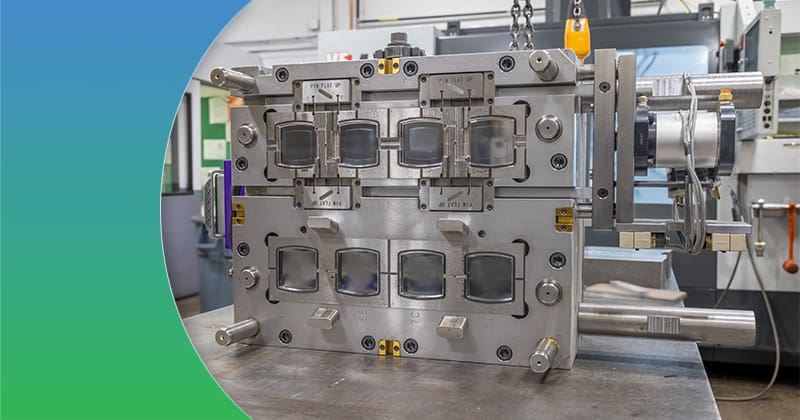
An injection mold is a critical asset that directly affects part quality, cycle times, and bottom-line results. When that tool isn’t performing the way it should, the consequences ripple through the entire supply chain. Whether you’re manufacturing medical devices, consumer packaging, or industrial components, ignoring signs of mold performance issues can cost you time, money, and customer trust.
Sometimes, the mold itself isn’t the problem. It’s the molder. Lack of communication, outdated equipment, or a reactive service model can all point to a bigger issue: the need for a new partner. If any of the following warning signs sound familiar, it may be time to move your mold, and your business, to a molder who’s equipped to handle it right.
- Part Quality Is Inconsistent
Inconsistent part quality is one of the clearest red flags. If dimensions are drifting, surface finishes are uneven, or flash and sink marks keep showing up, your molder may not be maintaining your tool properly or may not have the process controls to support your application. These issues can stem from worn cavities, poor setup procedures, or lack of scientific molding practices. A reliable molder will identify and address the root cause before it turns into scrap and rework.
- Lead Times Keep Slipping
Missed deadlines aren’t always about raw material shortages or shipping delays. They can also point to capacity constraints, inefficient scheduling, or unplanned downtime caused by mold maintenance problems. If your production windows are shrinking but your molder isn’t adapting, it’s worth asking whether your tool would be better off elsewhere.
- You’re Always the One Following Up
A strong molder relationship shouldn’t leave you guessing. If you’re constantly chasing updates, struggling to get answers, or receiving vague responses about delivery or performance, that’s a breakdown in communication and a risk to your production goals. A good partner keeps you in the loop with clear timelines, data-backed decisions, and a proactive approach to challenges.
- Tool Maintenance Seems Reactive, Not Preventive
Injection molds require regular, documented maintenance to preserve their longevity and performance. When maintenance is neglected or only happens after a problem arises, it puts your entire project at risk. A high-performing molder will have a preventive maintenance plan in place, backed by traceability and a toolroom capable of resolving wear or damage quickly.
- You’ve Outgrown Their Capabilities
As product lines evolve, so do the demands placed on your tooling. If your molder isn’t keeping pace, whether that’s due to outdated machines, lack of cleanroom facilities, or limited engineering support, your mold may not be running as efficiently or safely as it could. Multi-shot tooling, insert molding, and in-mold labeling all require specific press capabilities and technical experience. If you’re not getting that, it’s time to ask what your mold could be doing in the right environment.
- They Can’t Support New Projects or Transfers
You need a partner who sees the full picture, not just the next run. If your current molder struggles to onboard new tools, manage transfers, or scale production volumes, that’s a sign of limited resources. A capable injection molding company will welcome mold transfers, conduct thorough mold validations, and help optimize tool performance as part of a seamless transition.
- Your Costs Keep Climbing with No Added Value
Price increases happen. But if they’re not tied to material cost fluctuations, value-added improvements, or documented operational needs, they can feel arbitrary. Worse, if your costs are climbing while quality or delivery continues to suffer, you’re paying more for less. The right molding partner will communicate clearly about pricing and deliver ROI through process optimization, quality assurance, and continuous support.
What to Expect from a Mold Transfer Partner
At Sussex IM, we’ve supported countless mold transfers from underperforming suppliers. Our process includes a detailed mold inspection, sampling and validation, and recommendations for repair or refurbishment when needed. With in-house engineering, tool room support, and a documented transfer process, we’re equipped to get molds back into production quickly and with the quality and consistency your customers expect.
We work with clients across industries like medical/pharma, industrial, consumer products, agriscience, and residential durables. No matter the part complexity or end-use environment, we treat every mold with care and every project with urgency.
Know When to Make the Move
A mold transfer can feel like a big step, but staying with the wrong partner often creates bigger problems. If any of the warning signs above are showing up in your current molding relationship, it’s time to take a closer look.
Let’s talk about how Sussex IM can help make your mold move smoother. Reach out today to start the conversation.